
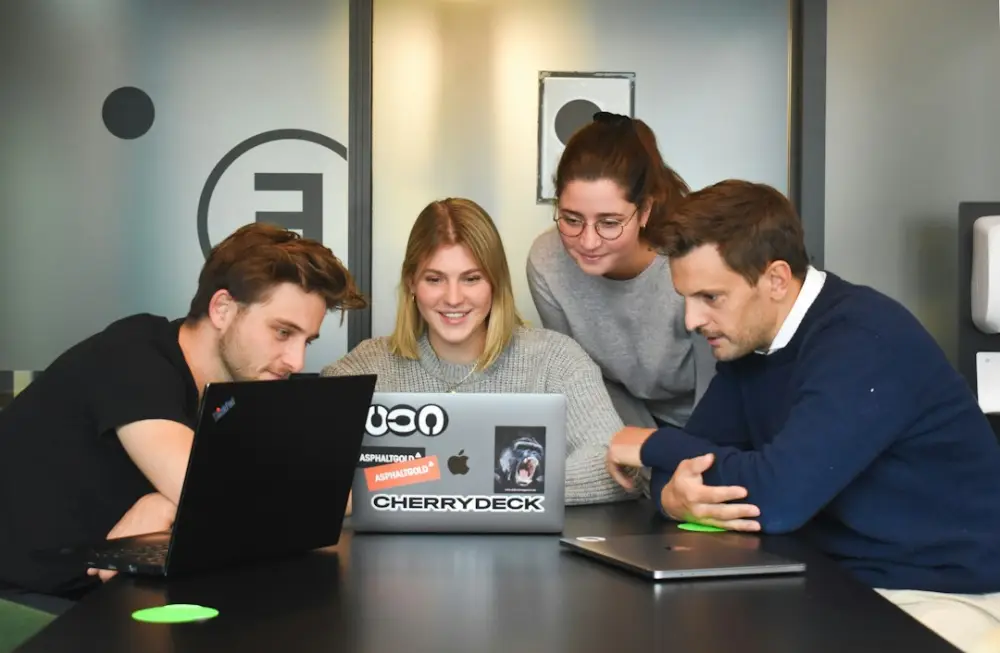
Developer mentorship is a professional relationship where experienced maintainers guide newcomers through technical and social aspects of a project. Peer learning complements this by allowing developers of similar skill levels to exchange knowledge. Together, these practices ensure project sustainability, improve code quality, and foster a supportive community for open-source growth.
For maintainers working in 2026, the challenge is often less about writing code and more about managing the human connections that keep a repository active. Moving beyond solo development requires a shift toward collaborative education, where knowledge transfer becomes a documented, intentional part of the workflow rather than an occasional interaction.
Mentorship and Peer Learning for Maintainers
Maintainers often face the "bus factor"—the risk that a project will stall if a single key contributor leaves. Mentorship is the primary tool to mitigate this risk. By guiding contributors through the nuances of a codebase, maintainers distribute the cognitive load and prepare the next generation of leadership. This isn't just about teaching syntax; it involves explaining the architecture, the history of specific design decisions, and the project’s long-term roadmap.
Peer learning serves a different but equally vital role. It occurs when contributors at similar levels collaborate on a feature or debug a complex issue together. For example, two mid-level developers might use a shared VS Code Live Share session to refactor a legacy module. This lateral exchange of skills often uncovers more efficient workflows or modern libraries that a single developer might have overlooked. In the context of open source, these interactions build the social fabric that keeps contributors coming back.
Establishing Trust and Openness
A successful mentorship environment starts with psychological safety. Newcomers need to feel that asking a "basic" question won't result in dismissal or harsh criticism. Maintainers can set this tone by being transparent about their own mistakes or knowledge gaps. Using a public forum like GitHub Discussions or a dedicated Slack channel for "no-judgment questions" helps normalize the learning process.
Specific documentation is the foundation of this trust. A project with a clear CONTRIBUTING.md file and a well-defined Code of Conduct signals that the maintainers have thought about the contributor experience. When a maintainer takes the time to write detailed PR reviews that explain why a change is requested—rather than just what to change—they are actively mentoring. This transparency ensures that open source culture is powering the growth of the individual as much as the software itself.
Growth Through Hands-On Tasks
Mentorship is most effective when it is tied to tangible output. Instead of theoretical exercises, mentors should guide learners through the lifecycle of a real contribution. This hands-on approach builds confidence and provides immediate value to the project. Maintainers can follow a structured onboarding process to facilitate this:
- Identify "Good First Issues": Tag issues that have a limited scope and clear requirements. These should be tasks that can be completed in a few hours.
- Provide Contextual Documentation: Link to the specific files or documentation relevant to the task within the issue description.
- Offer a Dedicated Review Cycle: Commit to reviewing the contributor's PR within a set timeframe, focusing on constructive feedback and architectural alignment.
- Assign a Buddy: For larger features, pair the newcomer with a regular contributor who can answer quick questions via asynchronous chat tools like Matrix or Discord.
- Celebrate the Contribution: Acknowledge the work in the changelog or release notes, reinforcing the developer's sense of belonging.
Peer Learning Models for Open Source Teams
Peer learning doesn't always require a senior-to-junior hierarchy. Many successful projects utilize "Working Groups" or "Special Interest Groups" (SIGs) where developers with a shared interest in a specific sub-system—such as security, documentation, or UI/UX—meet regularly. These groups allow individuals to cross-train each other in specialized domains.
Another effective model is the "Reviewer Rotation." By encouraging contributors to review each other's code (even if they don't have merge permissions), they learn to read and critique different coding styles. This practice often leads to shared discoveries of better testing patterns or API implementations. For instance, in a Rust-based project, peers might share tips on memory safety or ownership models that they discovered while working on disparate parts of the system. This collective intelligence strengthens the project's overall technical debt management.
Finding and Engaging New Mentors
Finding a mentor as a maintainer can be difficult, as the pool of more experienced developers is naturally smaller. However, mentorship often exists outside the immediate project. Engaging with broader tech communities and attending focused sprints or hackathons can connect maintainers with peers who have navigated similar scaling challenges. Platforms like MentorMesh or specific ecosystem programs like the Linux Foundation’s mentorship initiatives provide structured paths for these connections.
When seeking a mentor, it is important to be specific about what you want to learn. Instead of a general request for "guidance," ask for help with a specific challenge, such as "how to manage a sudden influx of PRs" or "strategies for deprecating a legacy API without breaking downstream dependencies." This targeted approach respects the mentor’s time and leads to more actionable advice. Networking within the role of tech hubs in the global economy often reveals that the most valuable mentors are those who have already solved the specific organizational friction you are currently facing.
Why Human Mentorship Matters with AI
As AI-driven coding assistants become ubiquitous in 2026, the nature of mentorship is changing. While an LLM can suggest a fix for a bug or generate a unit test, it cannot provide the historical context of a project or navigate the social complexities of a community. Human mentors provide the "why" behind the "how." They teach the soft skills—conflict resolution, consensus building, and project vision—that AI cannot replicate.
Furthermore, peer learning fosters empathy and shared values, which are essential for community health. An AI might suggest the most efficient code, but a human peer can point out that a specific implementation might be difficult for international contributors to understand or maintain. now where code generation is becoming a commodity, the ability to mentor and learn from other humans is becoming the primary differentiator for successful open-source projects.
First steps for building a mentorship culture
Transitioning from a solo maintainer to a mentor requires a deliberate approach to community building. To begin fostering an environment focused on growth, maintainers should implement structured pathways for knowledge exchange.
- Start by auditing your existing documentation to identify high-level architectural "black boxes" that need clearer explanations for newcomers.
- The first step in active outreach is to label at least three issues as "mentorship available" in your issue tracker to signal your willingness to help.
- To begin formalizing peer learning, set up a recurring "open office hours" session where contributors can discuss technical hurdles in a low-pressure environment.
- Next, identify consistent contributors and invite them to perform their first code review on a minor pull request to build their confidence in the project's standards.
- Finally, create a dedicated communication channel for learning-focused discussions, ensuring that social support is as accessible as technical support.
Building a Sustainable Open Source Ecosystem
The sustainability of any project depends on its ability to transform users into contributors and contributors into maintainers. This pipeline is built entirely on the foundations of mentorship and peer learning. When a community prioritizes education over pure output, it creates a resilient ecosystem that can weather changes in technology and contributor availability. A project that invests in its people is far more likely to thrive over the long term than one that relies on the heroic efforts of a single developer.
At Charleston Open Source, we recognize that the strength of the global developer community lies in these interpersonal connections. By fostering environments where knowledge is shared freely and mentorship is a core value, we help build the infrastructure for future innovation. Whether you are a seasoned maintainer looking to share your expertise or a newcomer seeking to make your first mark, participating in these learning cycles is essential for the health of the digital commons. Community and collaboration remain the most powerful tools we have to build a more open and inclusive future.